Empower workers
AI should help technicians, operators, supervisors, and engineers move faster without erasing their judgment.
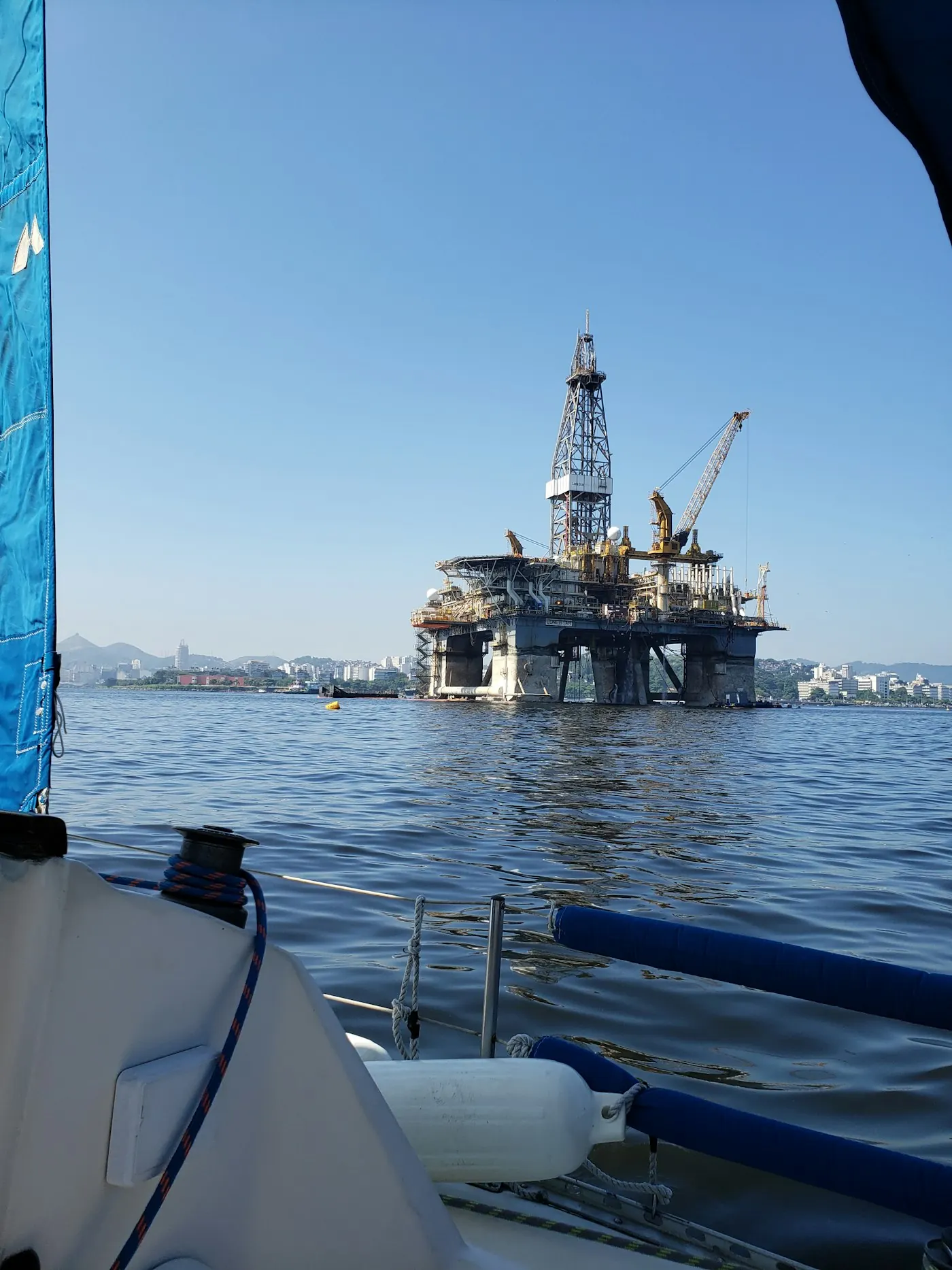
Gradynt.AI is a veteran-owned company based in Galveston, Texas, shaped by offshore ROV operations, defense AUV operations for SPAWAR (Space and Naval Warfare Systems Command), and the operation and maintenance of submersible seafloor drilling systems—work defined by field troubleshooting and the practical limits of connectivity, safety, and data access.
Gradynt is led by Rad Darr and built around practical field experience in offshore ROV operations, AUV operations for SPAWAR defense work, and the operation and maintenance of submersible seafloor drilling systems. That work meant troubleshooting complex electrohydraulic and mechanical equipment under intermittent connectivity and safety-critical conditions—the same constraints that shape Gradynt's operator-first AI.
Gradynt ships production AI and software systems, not consulting decks. The work is backed by postgraduate studies in AI and Machine Learning through the University of Texas and a long-running interest in software development, combined with years of offshore field experience.
Gradynt designs complete software products with real architecture, test suites, and CI pipelines. Multiple systems have shipped or are in active development:
The brand promise is not generic transformation. It is industrial AI that fits the environments where Gradynt has lived: constrained, high-stakes, technical, and accountable.
AI should help technicians, operators, supervisors, and engineers move faster without erasing their judgment.
Critical workflows should continue when cloud access is weak, restricted, expensive, or unavailable.
Industrial AI output should make its evidence visible so teams can inspect source data, documents, and assumptions.
Recommendations should support human review, not bypass safety procedures or control boundaries.
REFLEX addresses the equipment-monitoring gap: signals are everywhere, but reliable context is not. SPARK addresses the troubleshooting gap: the knowledge exists, but it is locked in drawings, procedures, old cases, and experienced people. Together they form the core of the Gradynt pilot story.
Whether the starting point is a product pilot or a service engagement, the useful question is what needs to work in the actual operating environment.